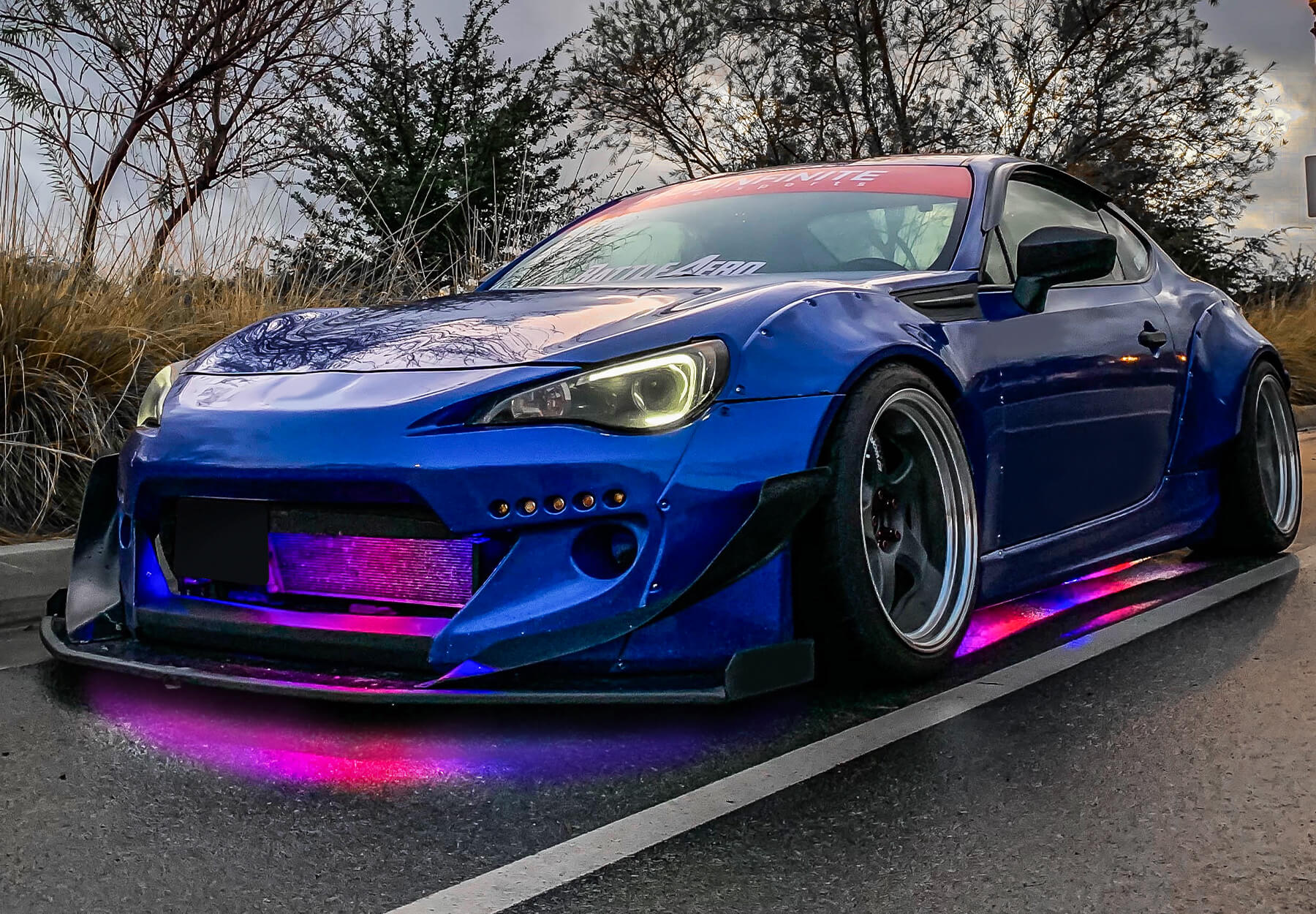
Searches like “what color is illegal to use on cars” spike every year for one reason: most people think there is one forbidden paint color. There isn’t.
Best PDF Tools Used By Our Car DealershipBut there are colors and lighting combinations that can make your car illegal to drive on public roads, depending on how and where they’re used.
This guide clears up the confusion with actual traffic-law logic, not internet myths. We’ll break down:
- Whether any car paint color is illegal
- The only colors consistently restricted across jurisdictions
- Why emergency colors cause tickets instantly
- How lighting laws differ from paint laws
- What gets cars failed at inspection or pulled over
- Sources you can verify yourself
If you’ve ever wondered “what color paint is illegal to use on cars?”, read this before you repaint, wrap, or modify anything.
Short Answer (No Clickbait, Just Truth)
No car paint color is universally illegal.
However:
- Red and blue lights are restricted or illegal on non-emergency vehicles in most regions
- Flashing, strobing, or rotating emergency-style lighting is commonly illegal
- Colors that impersonate police, fire, or EMS vehicles can result in fines or charges
- Certain underglow and accent lighting colors are restricted while driving
So if someone told you “there’s only one illegal car color”, they were wrong. The law doesn’t work that way.
Why This Myth Exists in the First Place
The myth comes from lighting laws being confused with paint laws.
Traffic regulations don’t usually care what color your car is. They care about:
- Visibility
- Signal clarity
- Impersonation of emergency vehicles
- Driver distraction
Paint does not communicate intent. Lights do.
That’s why the restrictions focus on red, blue, and flashing lights, not body panels.
Are Any Car Paint Colors Illegal?
No, Car Paint Colors Are Legal Almost Everywhere
Across the United States and Canada:
- You can paint your car red, blue, black, white, neon green, chrome, pink, matte, gloss, pearl
- You can wrap it in almost any color
- You can apply color-shifting or iridescent finishes
As long as the vehicle:
- Displays proper plates
- Meets visibility requirements
- Does not impersonate an emergency vehicle
Paint alone does not violate traffic law.
Source examples:
- State vehicle codes reviewed via DMV guidance (e.g., California Vehicle Code, Ontario Highway Traffic Act)
- Law enforcement clarification on vehicle appearance vs lighting enforcement
The Colors That Are Commonly Restricted (But Not as Paint)
Red and Blue: The Real Issue
If there’s one consistent rule across jurisdictions, it’s this:
Red and blue lighting is reserved for emergency vehicles.
This includes:
- Police
- Fire
- Ambulance
- Authorized emergency responders
Why?
Because drivers are trained to react immediately to those colors. Allowing civilians to display them creates:
- Confusion
- Unsafe braking
- Impersonation risks
What Is Actually Illegal in Most Places
1. Red and Blue Lights (Not Paint)
In most U.S. states and Canadian provinces:
- Blue lights are exclusive to police
- Red lights are reserved for emergency and authorized vehicles
- Displaying them on a civilian vehicle is illegal while driving
This applies to:
- Headlights
- Grille lights
- Dash-mounted LEDs
- Roof bars
- Underglow if visible from front or rear
Verified sources:
- California Vehicle Code §25252
- Ontario Highway Traffic Act, R.S.O. 1990, Reg. 596
- Texas Transportation Code §547.305
- New York Vehicle and Traffic Law §375
2. Flashing or Strobing Lights (Any Color)
Even white or amber lights can be illegal if they:
- Flash
- Strobe
- Rotate
- Pulse in emergency-style patterns
Most jurisdictions ban flashing lights on non-emergency vehicles, regardless of color.
This includes:
- LED strips
- Wheel lights
- Grille strobes
- Animated lighting effects

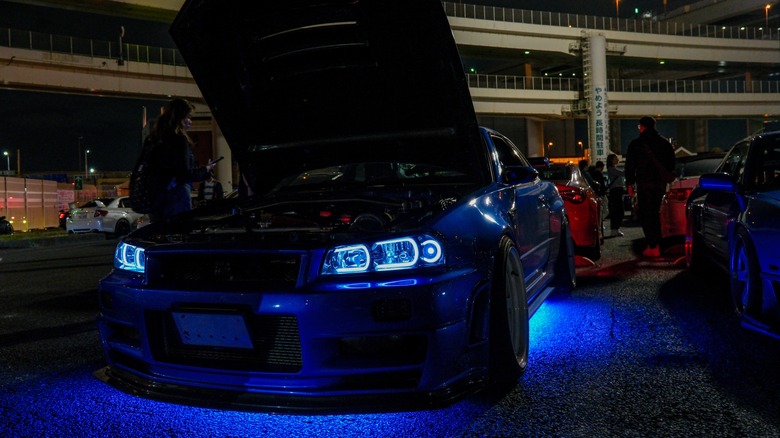
3. Blue Underglow (Commonly Illegal While Driving)
Underglow laws vary, but blue underglow is often restricted because it resembles police lighting.
In many states and provinces:
- Underglow is legal only if not red or blue
- Some allow it when parked, but not while moving
- Others ban underglow entirely on public roads
Always check local statutes before installing lighting kits.
So What Is the “Only Color Illegal to Use on Cars”?
Here’s the honest clarification:
There is no single illegal car color, but blue is the most consistently restricted color when used as lighting.
That’s why search results often say:
- “Blue is illegal on cars”
- “Only one color is illegal”
- “Blue cars are illegal”
They are wrong by omission.
Blue paint is legal.
Blue lights usually are not.
Why Emergency Colors Are Taken So Seriously
Traffic law prioritizes predictability.
When drivers see:
- Flashing red → stop
- Flashing blue → yield to police
- Alternating red/blue → emergency response
Letting regular vehicles use those colors:
- Triggers instinctive reactions
- Increases accident risk
- Enables impersonation crimes
That’s why penalties can include:
- Fines
- Vehicle inspection failures
- Equipment removal orders
- Criminal charges in severe cases
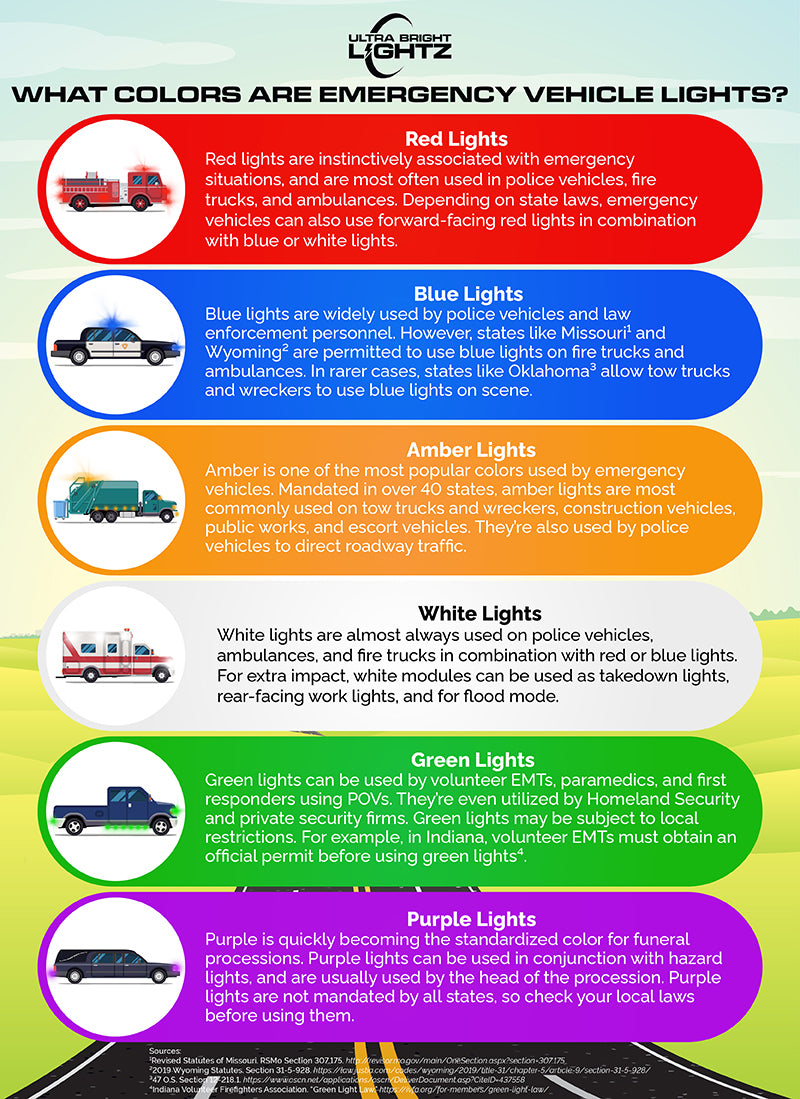
What About White, Yellow, Green, or Purple?
White Lights
- Usually allowed on headlights
- Restricted when flashing or rear-facing
- Cannot mimic emergency strobes
Amber / Yellow
- Often allowed for hazard, tow, or construction vehicles
- Usually legal but regulated in brightness and placement
Green
- Restricted in some areas
- Sometimes reserved for volunteer emergency responders
Purple
- Legal in many places
- Still restricted if flashing or distracting
Again: color + function matters more than color alone.
Window Tint Color vs Car Color
Another common confusion.
Some tint colors are restricted because they affect:
- Visibility
- Light transmission
- Safety inspections
For example:
- Mirror tint
- Certain colored films
- Excessively dark tint
These laws regulate windows, not the car’s exterior paint.
Can You Get Pulled Over for Car Color Alone?
Almost never.
Police stops related to “color” typically involve:
- Illegal lighting
- Equipment violations
- Impersonation concerns
A bright pink or neon green car is not illegal.
A civilian vehicle with blue grille lights absolutely can be.
Inspection Failures Related to Color
Vehicles may fail inspection if:
- Lighting color violates regulations
- Aftermarket lights are improperly wired
- Emergency-style colors are visible while driving
Paint color itself almost never causes failure.
How to Stay 100% Legal
Before modifying your car:
- Check your local vehicle code
- Separate paint rules from lighting rules
- Avoid red or blue lighting entirely
- Disable flashing effects on public roads
- When in doubt, ask your local inspection station
Official sources to verify:
- State or provincial DMV websites
- Highway Traffic Act publications
- Local police department equipment guidelines
Final Answer: What Color Is Illegal to Use on Cars?
Here is the accurate, defensible answer you can rely on:
- No car paint color is illegal by itself
- Red and blue lights are commonly illegal on non-emergency vehicles
- Flashing or strobing lights of any color are often illegal
- Blue is the most restricted color when used as lighting
- Most “illegal color” claims confuse paint with lights
If someone says “there’s only one illegal car color”, they’re simplifying a legal system that doesn’t work that way.
Traffic law regulates behavior and signaling, not personal taste.
Paint what you want.
Light it wrong, and you’ll get pulled over.
Leave a Reply