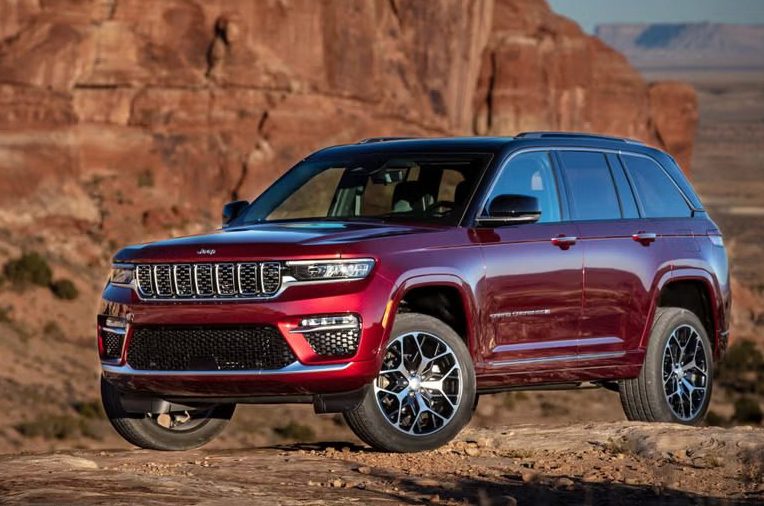
Buying or leasing a used car can feel like stepping into a maze of choices — different mileages, prices, warranties, and dealers all competing for your attention. Whether you’re searching for the best used cars in Simi Valley, CA, trying to figure out how many miles is good for a used car, or wondering if you can lease used cars, this in-depth guide explains everything clearly, with real-world examples and local insight.
Best PDF Tools Used By Our Car Dealership1. Can You Lease a Used Car? Yes — Here’s How It Works
Most people associate leasing with new cars — but you absolutely can lease a used car, and in many cases, it’s a smart financial move.
What Is a Used Car Lease?
A used lease allows you to drive a Certified Pre-Owned (CPO) vehicle for a set term, usually two to three years, without owning it outright. The lease payment is calculated based on the vehicle’s residual value and your credit score.
Why People Lease Used Cars
| Advantage | Explanation |
|---|---|
| Lower Monthly Payments | Used cars have already depreciated, so you pay for less overall value. |
| Shorter Commitment | Most used car leases run 24–36 months. |
| Certified Reliability | Only CPO vehicles (inspected and warranty-backed) are typically eligible. |
| Less Depreciation Loss | The vehicle’s biggest value drop already happened under its first owner. |
Example:
A new Kia Sorento lease might cost around $420/month, while a one-year-old CPO version could lease for $280–$310/month with similar features.
Tip: Used leases are usually available through franchise dealerships — not private sellers. Always ask if the vehicle is CPO-eligible before negotiating.
2. Where to Buy Used Cars in Simi Valley, CA
When you search “where to buy used cars”, you’ll find everything from small corner lots to big brand dealerships. But not all sellers are equal.
Why Local Dealerships Are the Smartest Choice
Buying from a licensed Simi Valley dealership gives you protections and benefits private sales can’t match:
| Feature | Dealership | Private Seller |
|---|---|---|
| Vehicle History Report | Always included (CARFAX/AutoCheck) | Sometimes unavailable |
| Warranty Options | Extended or CPO warranty available | No warranty |
| Financing | On-site lenders, credit unions, and manufacturer offers | Buyer must arrange their own |
| Trade-In Options | Yes — can lower your purchase price | Not available |
| DMV Processing | Handled by dealership | Buyer handles paperwork |
At UsedCarsSimiValley.com, customers can browse 500+ inspected vehicles, compare prices, and even get pre-approved for financing online — saving hours of dealership time.
3. How to Buy a Used Car (Step-by-Step Guide)
Buying a used car doesn’t need to be overwhelming. The process can be smooth and transparent if you follow the right steps.
Step 1: Set a Realistic Budget
Decide how much you can afford — not just for the purchase price, but also insurance, taxes, and maintenance.
Rule of thumb: Your car payment shouldn’t exceed 15% of your monthly take-home pay.
Step 2: Get Pre-Approved
Financing in advance gives you bargaining power. Dealerships often have special lender relationships that can beat bank rates — even if your credit isn’t perfect.
Step 3: Research the Models
Look up reliability ratings and average resale values for your top picks. Tools like Kelley Blue Book (KBB) or Edmunds can show fair market prices.
Step 4: Inspect and Test Drive
Always test drive in multiple conditions — freeway, stop-and-go, and hills. Listen for unusual noises, check brakes, and test electronics.
Step 5: Review Vehicle History
A CARFAX or AutoCheck report will show:
- Accident or flood damage
- Service history
- Title issues or mileage rollbacks
Step 6: Negotiate Confidently
Use data from KBB to identify a fair offer. Be polite but firm — and remember, dealerships often adjust prices for cash buyers or repeat customers.
Step 7: Finalize Paperwork
Ensure everything matches the agreed price and includes any warranty or service plan. Don’t leave without a bill of sale, title transfer, and buyer’s guide document.
4. How Many Miles Is Good for a Used Car?
Mileage can tell part of the story — but maintenance and use history matter more. A well-maintained 100,000-mile car can outperform a neglected 40,000-mile one.
General Guidelines
| Vehicle Type | Good Mileage Range | Too High Mileage |
|---|---|---|
| Compact Cars | 20,000–80,000 miles | Over 120,000 |
| SUVs/Crossovers | 30,000–100,000 miles | Over 140,000 |
| Trucks | 40,000–120,000 miles | Over 180,000 |
| Hybrid/Electric | 15,000–60,000 miles | Over 100,000 |
Pro Tip: Look at Mileage per Year
Divide the odometer by the car’s age. Around 12,000–15,000 miles/year is normal. Anything significantly lower could mean less wear, but also beware of long idle periods (like stored vehicles) that weren’t serviced regularly.
5. What to Look for When Buying a Used Car
Even a good deal can turn sour if you overlook small red flags. Here’s a quick checklist:
- Check oil color (shouldn’t be black or milky)
- Examine tire tread depth and even wear
- Look under the car for leaks or rust
- Verify VIN on title matches the vehicle
- Inspect interior condition for signs of water damage
- Ask for maintenance records — especially for timing belts, brakes, and transmission service
Pro tip: If you’re not mechanically savvy, pay $100–$150 for a pre-purchase inspection. It’s the cheapest insurance you can buy.
6. What Color Is Illegal to Use on Cars?
In California, you can paint your car nearly any color you want. However, there are some restrictions designed to avoid confusion with emergency vehicles:
- Red and blue flashing lights are illegal for civilian cars.
- Police-style decals, sirens, or roof lights are prohibited.
- Highly reflective or mirror-finish wraps may require special permits.
Otherwise, you’re free to go bold — matte black, metallic gold, or even neon green — as long as your lights, license plates, and VIN remain visible.
7. How Much Mileage Is Too Much for a Used Car?
The answer depends on the engine type and maintenance. Some cars (like Toyota and Honda) easily exceed 300,000 miles with regular care, while others may need major repairs at 120,000.
Key Factors Beyond Odometer Reading
- Maintenance schedule: Was it serviced every 5,000–10,000 miles?
- Driving style: Highway miles wear less than city miles.
- Climate: Dry California climates preserve cars better than snowy or coastal regions.
- Brand reputation: Some manufacturers are known for bulletproof reliability.
8. Who Buys Used Cars in Simi Valley?
If you’re looking to sell, you’ve got three main options:
- Dealership Trade-In – The easiest way to apply your car’s value toward a new or used purchase.
- Dealership Buy-Out – Many Simi Valley dealers will buy your car even if you don’t buy theirs.
- Private Sale – Potentially higher price, but you handle all the risk and paperwork.
Most sellers prefer dealership trade-ins because they get instant payment, DMV handling, and accurate appraisals. Sites like UsedCarsSimiValley.com even allow instant trade-in value estimates and online quotes.
9. Does Air Conditioning in a Car Use Gas?
Yes — if your car has a gasoline engine. The air-conditioning compressor draws power from the engine via a belt, slightly increasing fuel consumption.
However, modern systems are far more efficient. Expect fuel usage to rise by less than 5% when using A/C — roughly 0.2–0.3 L/100 km (≈ 1 mpg).
Electric vehicles also use power for A/C, but they draw from the battery rather than gasoline.
10. How Much Is a Payment on a Used Car?
Your monthly payment depends on four main variables:
- Vehicle price
- Down payment
- APR (interest rate)
- Loan term
Here’s a sample calculation based on average used-car prices:
| Vehicle Price | Down Payment | APR | Term | Est. Monthly Payment |
|---|---|---|---|---|
| $15,000 | $2,000 | 7% | 60 months | ≈ $255/month |
| $20,000 | $2,500 | 6% | 72 months | ≈ $295/month |
| $25,000 | $3,000 | 6.5% | 72 months | ≈ $355/month |
If you finance through a dealership, you may qualify for lower interest rates and faster approval — especially with an active trade-in or manufacturer incentive.
11. Why Buy Local: The Advantage of Simi Valley Dealerships
Buying from your community dealership means more than convenience — it’s about long-term reliability.
Here’s what you get with local Simi Valley dealers:
- Transparent, upfront pricing — no hidden fees.
- On-site service and repair centers for warranty work.
- Certified mechanics who know your make and model.
- Flexible financing — including options for first-time buyers.
- Ongoing maintenance discounts for loyal customers.
Plus, you’re supporting the local economy and ensuring you have a trusted partner for service, trade-ins, and upgrades in the future.
12. How to Negotiate a Used Car Price
Negotiating doesn’t mean confrontation — it’s about understanding value.
Tips for a Smooth Negotiation
- Do your homework: Know the average price from KBB and Autotrader.
- Be specific: Focus on real issues like tires, brakes, or cosmetic flaws.
- Be ready to walk away: Dealers respect confident buyers.
- Ask about added perks: Free oil changes, extended warranties, or low-APR financing can add value even if the sticker price doesn’t drop.
13. Common Mistakes Buyers Make
Avoid these pitfalls when buying a used car:
- Skipping the test drive — You’d be shocked how many people do this.
- Ignoring total cost of ownership — Gas, insurance, and repairs add up.
- Not checking for recalls — A quick VIN lookup can save headaches.
- Focusing only on monthly payment — You may end up paying more over time.
- Rushing the decision — Sleep on it. Good deals don’t expire overnight.
14. Electric and Hybrid Used Cars — Are They Worth It?
Used hybrids and EVs are becoming increasingly popular in California. They cost less to maintain and qualify for clean-air rebates.
Pros:
- Low operating cost (no oil changes, fewer brake repairs)
- Ideal for city driving
- Retain value better in California’s EV-friendly market
Cons:
- Battery replacement can be expensive (though rare under 8 years)
- Range may degrade slightly over time
If you’re considering a used EV like a Chevy Bolt, Kia Niro EV, or Tesla Model 3, check battery health and warranty status before purchase.
15. Frequently Asked Questions
Q: Can you lease used cars in California?
Yes. Most major automakers allow Certified Pre-Owned leases, usually through franchise dealerships.
Q: How many miles is too many for a used car?
Over 120,000 miles may require increased maintenance, but service records matter more than the number alone.
Q: What’s the best way to finance a used car?
Compare dealership financing with your bank or credit union. Many dealers can match or beat local rates.
Q: Is buying from a private seller safe?
Not always. Without warranties or verified inspection reports, you assume more risk.
Q: Where can I find reliable used cars in Simi Valley?
Visit UsedCarsSimiValley.com to view certified inventory and apply for financing online.
Conclusion: Smarter Choices Start Local
The used car market has never been more competitive — and that’s good news for you. With the right strategy, you can save thousands, find a reliable vehicle, and avoid the headaches of private sales.
From understanding how to buy a used car to knowing how many miles is good for a used car, the path to ownership is straightforward when you start with trustworthy Simi Valley dealerships.
Whether you’re buying, selling, or exploring used leases, UsedCarsSimiValley.com is your all-in-one destination for transparent deals, flexible financing, and cars you can count on.
Leave a Reply