The question “can I use Windex on my car?” comes up constantly, and for good reason. Windex is cheap, effective on household glass, and almost everyone already has it. But cars are not houses, and using the wrong cleaner in the wrong place can quietly cause permanent damage.
Best PDF Tools Used By Our Car DealershipHere’s the clear, source-backed truth with hyperlinked, credible references so you can verify every claim.
Short Answer (Read This First)
Yes, you can use Windex on certain parts of your car — but absolutely not everywhere.
- ✅ Safe (with conditions): Exterior glass only
- ❌ Not safe: Paint, clear coat, interior plastics, tinted windows, infotainment screens
The difference comes down to ammonia and automotive materials.
What Is Windex, and Why It Matters
Traditional Windex contains ammonia (ammonium hydroxide), which:
- Cuts grease extremely well
- Evaporates quickly
- Can dry out, haze, or chemically attack automotive surfaces
Windex ingredient overview (manufacturer info):
https://www.windex.com/en-us/products/original-glass-cleaner
Cars use:
- Clear-coated paint
- UV-protected plastics
- Polycarbonate screens
- Window tint films
These materials react very differently than household glass.
Can I Use Windex on My Car’s Windows?
Exterior Glass: Yes (With Limits)
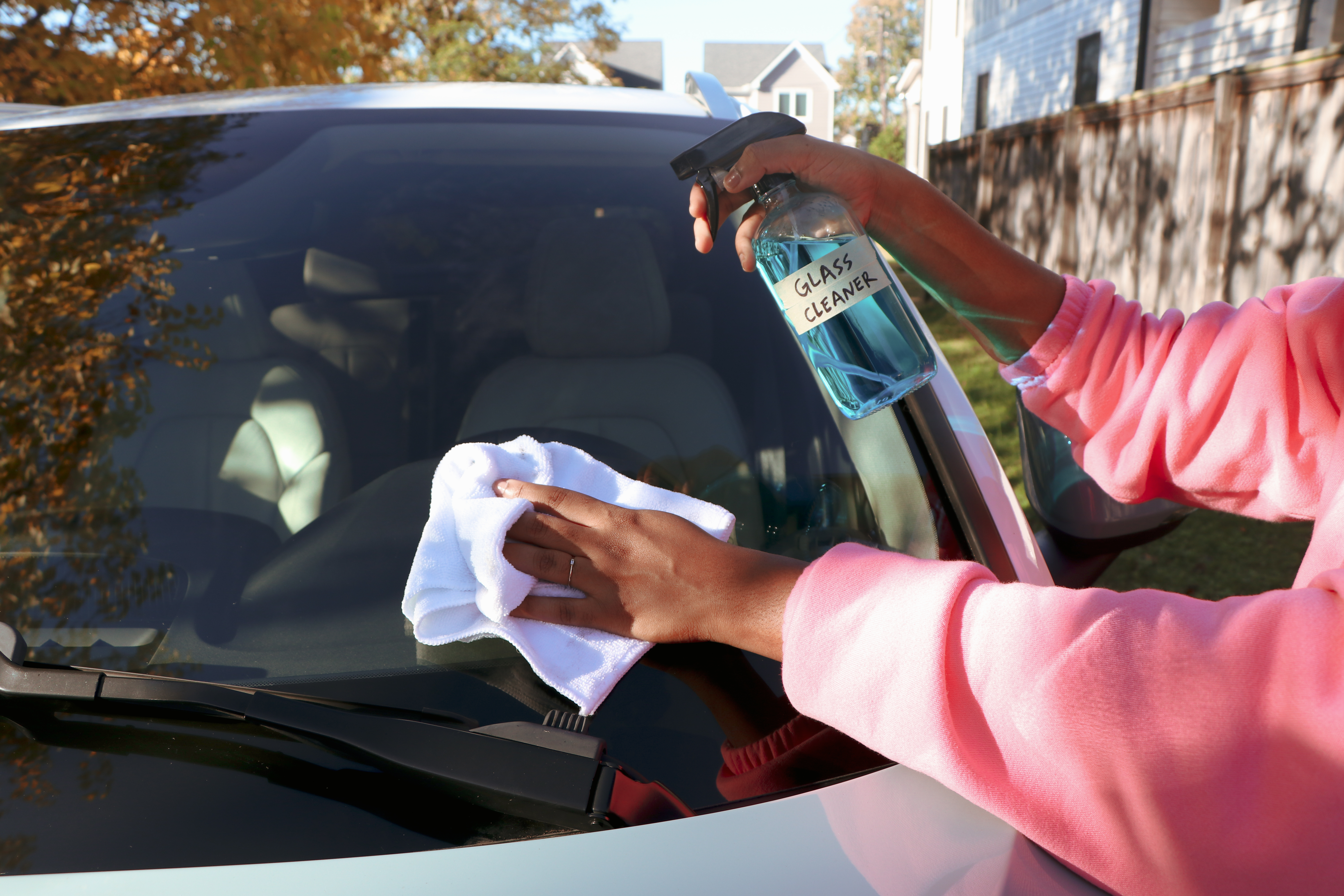
You can use Windex on exterior automotive glass such as:
- Windshield (outside only)
- Side windows (outside only)
- Rear glass (outside only)
Why it’s generally safe:
- Automotive glass is thick, tempered or laminated
- No tint film on the outside
- Resistant to ammonia-based cleaners
Consumer Reports confirms household glass cleaners are acceptable on exterior glass only:
https://www.consumerreports.org/cars/car-maintenance/how-to-clean-car-windows-a2572921293/
Best practice:
- Spray lightly
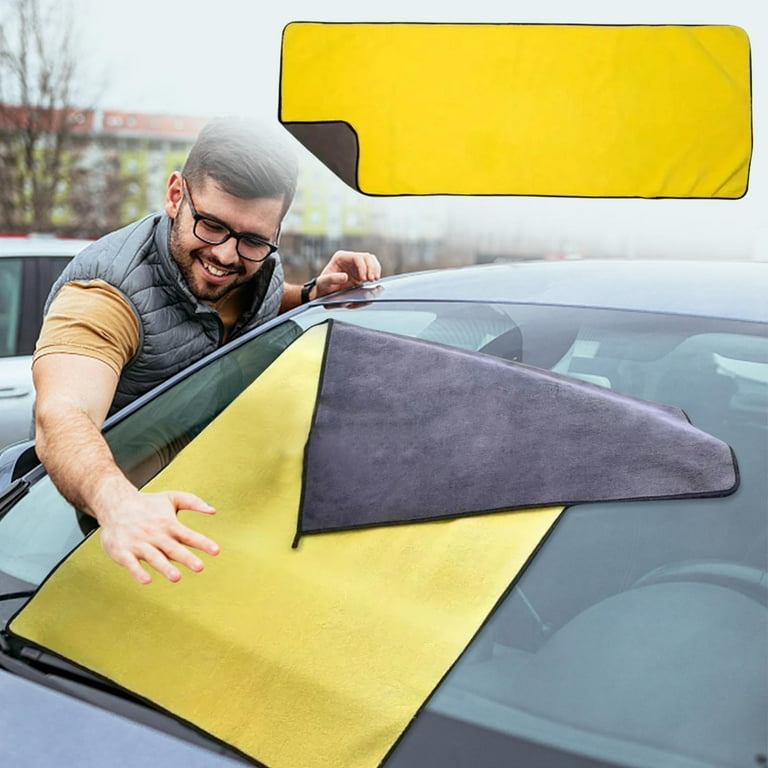
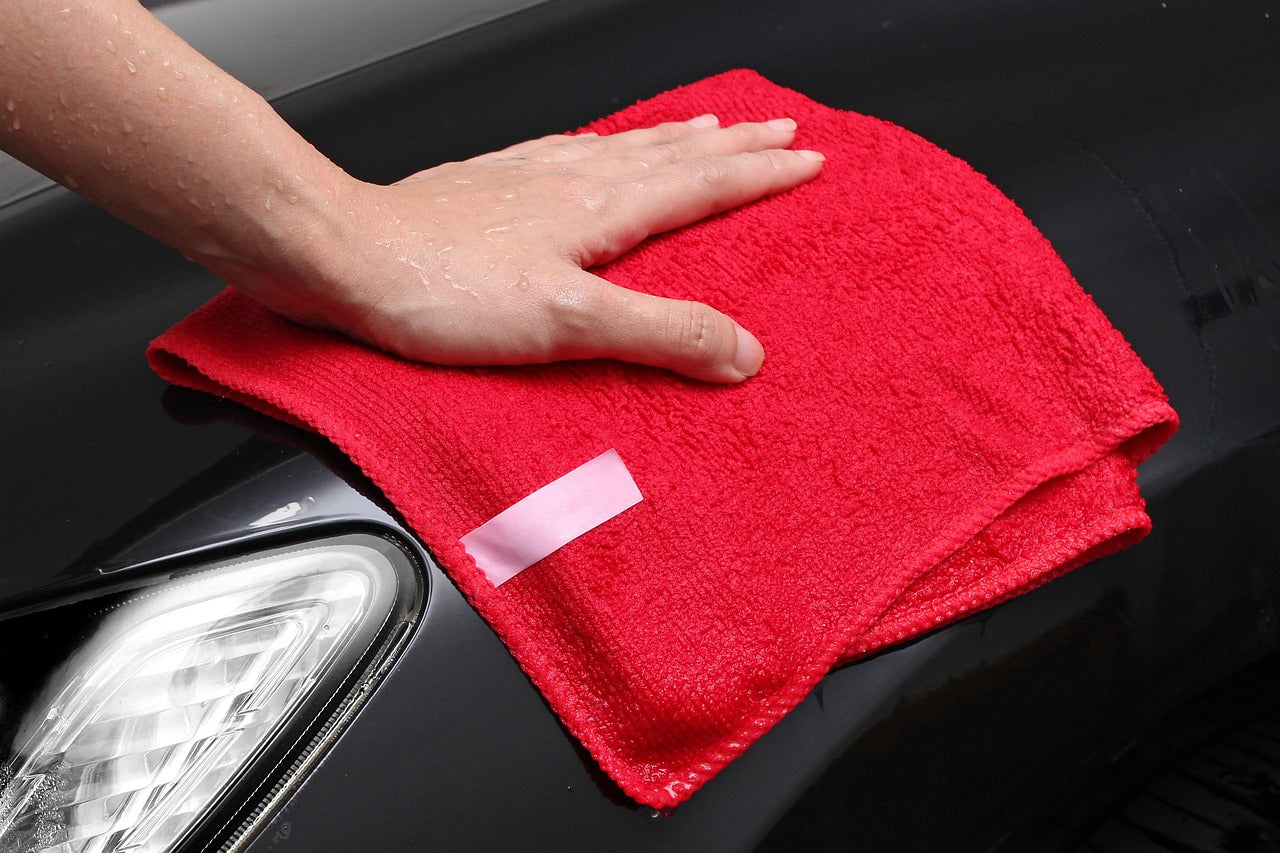
- Use a clean microfiber towel
- Do not let it drip onto paint or trim
Can I Use Windex on Tinted Windows?
No — This Is Where Damage Happens
If your car has window tint, Windex is a bad idea.
Why:
- Ammonia degrades window tint adhesive
- Causes bubbling, peeling, and purple discoloration
- Damage is permanent
The International Window Film Association explicitly warns against ammonia-based cleaners on tinted glass:
https://iwfa.com/resources/caring-for-window-film/
This applies to:
- Factory tint
- Aftermarket tint
- Privacy glass with internal films
If you don’t know whether your car is tinted, assume it is.
Can I Use Windex on Car Paint?
Absolutely Not
Using Windex on car paint can:
- Strip wax and sealants
- Dry out clear coat
- Cause dulling over time
- Accelerate oxidation
Automotive paint relies on protective layers. Ammonia breaks those layers down.
Professional detailing guidance:
https://www.autogeek.net/how-to-clean-car-paint.html
Even a single use may not show damage immediately, but repeated use will.
Can I Use Windex on My Dashboard or Interior?
No — and This Is a Common Mistake
Interior surfaces are especially vulnerable.
Windex can:
- Dry out vinyl and plastic
- Cause discoloration
- Leave hazy residue
- Damage soft-touch coatings
Modern dashboards often use polyurethane and UV-treated polymers, which react poorly to ammonia.
AAA interior care guidance:
https://exchange.aaa.com/safety/driving-advice/car-interior-cleaning-tips/
Can I Use Windex on Infotainment Screens?
Never
Infotainment screens are usually:
- Polycarbonate or acrylic
- Anti-glare coated
- Extremely sensitive to chemicals
Windex can:
- Strip anti-glare coatings
- Cause permanent clouding
- Leave micro-scratches
Most automakers recommend screen-specific cleaners or plain water with microfiber.
Apple CarPlay / screen care guidance (applies broadly to automotive displays):
https://support.apple.com/en-us/HT210298
Why Windex Is Riskier on Cars Than in Homes
The key differences:
- Cars face UV exposure
- Automotive materials are softer
- Protective coatings are thinner
- Surfaces flex and heat-cycle
Household cleaners are not engineered for these conditions.
The EPA explains how ammonia-based cleaners interact with surfaces:
https://www.epa.gov/saferchoice/ammonia-cleaners
What Should You Use Instead?
For Exterior Glass
- Automotive glass cleaner (ammonia-free)
- Distilled water + microfiber
- Isopropyl alcohol diluted 1:1 with water (safe on glass only)
Consumer Reports glass-cleaning alternatives:
https://www.consumerreports.org/cars/car-maintenance/how-to-clean-car-windows-a2572921293/
For Interior Glass and Tinted Windows
- Ammonia-free automotive glass cleaner
- Dedicated tint-safe products
IWFA-approved care methods:
https://iwfa.com/resources/caring-for-window-film/
For Paint
- pH-balanced car wash soap
- Quick detailer spray
- Spray wax

For Dashboard and Interior Trim
- Interior-specific cleaner
- Mild soap + water (lightly damp microfiber)
- UV-protectant interior sprays
What If I Already Used Windex on My Car?
If it was:
- Exterior glass once or twice: No problem
- Tinted glass: Watch for bubbling or haze
- Paint or interior: Apply a protectant immediately to reduce drying effects
If damage appears, professional detailing may be required.
Common Myths (Debunked)
“Windex Is Fine Because It’s Streak-Free”
Streak-free on glass ≠ safe for automotive materials.
“I’ve done it for years with no issues”
Damage from ammonia is often cumulative, not immediate.
“All Windex is the same”
Some variants are ammonia-free, but many people don’t check labels.
Final Answer: Can I Use Windex on My Car?
Here is the accurate, practical answer:
- ✅ You can use Windex on exterior car glass only
- ❌ You should not use it on:
- Tinted windows
- Paint
- Interior plastics
- Dashboards
- Infotainment screens
- ⚠️ Ammonia is the reason most damage occurs
- ✅ Ammonia-free automotive cleaners are always safer
If you want a one-rule approach that never backfires:
If it’s not plain exterior glass, don’t use Windex on it.
Leave a Reply